

Preparation Guide for Nutrient-Enriched Purées for Dysphagia Management
Step-by-step: Preparing vegetable purées for dysphagia support
Dysphagia is a condition characterized by difficulty swallowing. It is most commonly observed in older adults and may affect the ability to swallow liquids, solids, or both. Dysphagia can result from a variety of causes, including stroke, Parkinson’s disease, dementia, cancer treatments, and even uncontrolled diabetes, where extreme dryness in the mouth contributes to swallowing difficulties.
Individuals with dysphagia are at risk of food or liquids entering the trachea and lungs, potentially causing coughing, choking, and pneumonia. Reduced ability to eat and drink can lead to decreased fluid and nutrient intake, which may result in dehydration, malnutrition, and even sarcopenia.
To help people with swallowing disorders eat and drink safely, it is necessary to adjust the textures of foods and beverages. Using appropriate textures ensures safe swallowing, reduces risk, and helps prevent malnutrition.
This guide has been specifically adapted for individuals with swallowing difficulties, in accordance with the IDDSI (International Dysphagia Diet Standardisation Initiative) guidelines. It is also useful for anyone seeking creative ways to add more fiber, protein, or fat to their daily diet.
Here, we will review fundamental principles for preparing various types of mashed foods and purées. The guide provides practical tools for preparing everyday meals that meet nutritional needs while allowing flexibility and creativity. The purées can be enriched with a variety of Easyline products to enhance their nutritional value.
Tools Needed
- Sieve
- Potato masher or blender
- Wooden spoon or ladle
- Wide pot
- Mixing bowl (optional)
- Whisk (optional)
Step 1: Classify Vegetables
- Starchy vegetables: Potato, sweet potato, beans, lentils, chickpeas
- Watery vegetables: Carrot, zucchini, pumpkin, turnip, cauliflower, beet
- Tip: Watery vegetables usually need a starchy vegetable (like potato) to stabilize the purée.
Step 2: Cook the Vegetables
- Peel and cut evenly.
- Starchy vegetables: Boil in salted water or roast.
- Watery vegetables: Boil until tender; add stock or milk if desired.
- Legumes: Pre-soak beans/chickpeas; lentils can be cooked directly. Frozen legumes save time.
Step 3: Mash
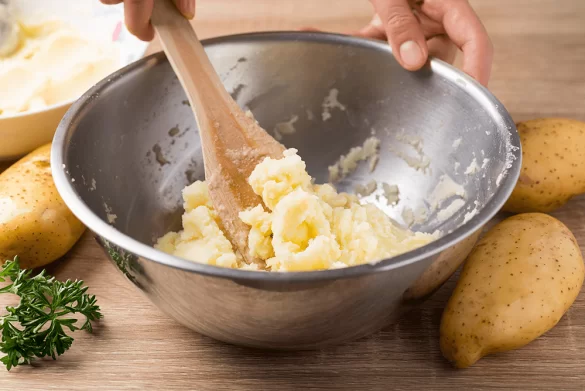
- Mash potatoes with a masher for smooth texture.
- Blend other vegetables as needed.
- Combine mashed potatoes with other vegetables for stability.
Step 4: Strain
- Use a fine sieve to remove lumps and tough fibers.
- Scrape the sieve to recover as much purée as possible.
Step 5: Enrich and Season
- Add protein: Easywhey or Mid-Day Vegan powder
- Add fiber: Easyfiber or similar
- Add flavor: Vanilla liquid formulas (Easymeal-K Vanilla, Easydaily, DM Line) work well with sweet purées
- Add fats/liquids: Cold butter, cream, or milk; ~1 cup per 3 cups of purée
- Spices: Salt, pepper, turmeric, cinnamon, nutmeg, as desired
- Mix well to uniform consistency
Step 6: Check Consistency
- IDDSI Level 4: Purée should fall off the spoon but hold shape on plate; a thin layer remains on the spoon.
Step 7: Serve & Enjoy
- Plate the purée and enjoy immediately.
Recipes Available:
- Cauliflower purée
- Pea purée
- Pumpkin purée
Disclaimer: This guide is for general information only. Consult a doctor or certified dietitian before making health or dietary decisions.